Ever wondered how top marketers generate a flood of high-quality leads on autopilot? The secret might just lie in mastering the art and science of leadsonline. In this deep dive, we’ll uncover how leadsonline platforms are reshaping digital marketing, sales pipelines, and customer acquisition strategies across industries.
What Is Leadsonline and Why It Matters

The term leadsonline has evolved beyond a simple keyword—it represents an entire ecosystem of digital tools, platforms, and strategies focused on generating, managing, and converting online leads. Whether you’re a startup founder, a sales manager, or a digital marketer, understanding leadsonline dynamics is no longer optional; it’s essential for growth.




Defining Leadsonline in Modern Marketing
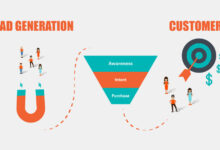
At its core, leadsonline refers to the processes, technologies, and platforms used to capture potential customer interest (leads) via the internet. These leads are typically gathered through forms, landing pages, chatbots, social media, or paid ads, and then funneled into CRM systems for nurturing and conversion.
- Leadsonline is not a single tool but a holistic approach to digital lead acquisition.
- It integrates data analytics, automation, and behavioral tracking to optimize conversion rates.
- Platforms like HubSpot, Salesforce, and Leadpages are often part of the leadsonline infrastructure.
“Leadsonline isn’t just about collecting emails—it’s about building relationships at scale.” — Marketing Automation Expert, Jane Rivera
The Evolution of Online Lead Generation
From cold calling to digital dominance, lead generation has undergone a seismic shift. In the early 2000s, businesses relied heavily on trade shows and print ads. Today, leadsonline strategies dominate because they offer measurable ROI, scalability, and real-time optimization.
- Pre-2010: Offline methods like telemarketing and direct mail were standard.
- 2010–2015: Rise of SEO and content marketing fueled organic leadsonline growth.
- 2016–Present: AI-driven leadsonline tools, predictive analytics, and hyper-personalization define the new era.
How Leadsonline Platforms Work: A Technical Breakdown
Understanding how leadsonline systems function under the hood can give you a competitive edge. These platforms are engineered to capture, score, route, and nurture leads with minimal human intervention.
Data Capture Mechanisms on Leadsonline Systems
Leadsonline platforms use a variety of methods to collect prospect information. The most common include:
- Landing Pages: Specially designed pages optimized for conversion, often integrated with leadsonline CRMs.
- Web Forms: Embedded in blogs, websites, or social media, these forms collect name, email, phone, and other qualifying data.
- Chatbots: AI-powered assistants that engage visitors in real time and qualify leads before passing them to sales teams.
For example, a visitor might download an eBook on “Digital Marketing Trends 2024” by filling out a form—this action instantly logs them into the leadsonline database.
Lead Scoring and Qualification in Leadsonline
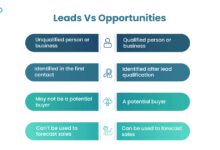
Not all leads are created equal. Leadsonline platforms use scoring algorithms to rank leads based on behavior, demographics, and engagement levels.
- Behavioral Scoring: Points are assigned based on actions like visiting pricing pages, downloading whitepapers, or watching demo videos.
- Demographic Scoring: Criteria like job title, company size, or industry influence the score.
- Engagement Thresholds: Leads that reach a certain score are automatically routed to sales teams.
This ensures that sales reps focus only on high-intent prospects, improving close rates and reducing wasted effort.
Top 5 Leadsonline Tools You Should Be Using in 2024
The right leadsonline tool can transform your marketing funnel. Here are five industry-leading platforms that dominate the leadsonline landscape.
1. HubSpot: The All-in-One Leadsonline Powerhouse
HubSpot remains a top choice for businesses seeking an integrated leadsonline solution. Its CRM, marketing hub, and sales tools work seamlessly to automate lead capture and nurturing.
- Offers drag-and-drop landing page builders.
- Features smart lead scoring and email automation.
- Integrates with over 1,000 apps, including HubSpot’s official site.
2. Leadpages: Built for Conversion-Focused Leadsonline
If your goal is to maximize conversions, Leadpages is a go-to platform. It specializes in creating high-performing landing pages optimized for leadsonline success.
- Includes A/B testing for headlines, CTAs, and layouts.
- Offers pop-ups, alert bars, and slide-ins to capture attention.
- Connects directly to email marketing platforms like Mailchimp and ActiveCampaign.
Learn more at Leadpages.net.
3. Salesforce Pardot: Enterprise-Grade Leadsonline Automation
Pardot, Salesforce’s B2B marketing automation tool, is ideal for large organizations managing complex leadsonline workflows.
- Advanced lead nurturing with dynamic content.
- ROI reporting and pipeline analytics.
- Deep integration with Salesforce CRM for seamless handoff.
Explore its capabilities at Salesforce Pardot.
Strategies to Maximize Leadsonline Conversion Rates
Having a leadsonline platform is only half the battle. The real magic happens when you apply proven strategies to boost conversion rates and improve lead quality.
Optimize Your Landing Pages for Leadsonline Success
Your landing page is the front door to your leadsonline funnel. A poorly designed page can kill conversions, no matter how good your offer is.
- Clear Headline: Communicate value in under 5 seconds.
- Strong CTA: Use action-oriented language like “Get Your Free Guide Now” instead of “Submit”.
- Mobile Optimization: Over 60% of web traffic comes from mobile devices—ensure your leadsonline pages are responsive.
“A 1-second delay in page load time can reduce conversions by up to 7%. Speed is critical in leadsonline.” — Google Web Insights Report
Leverage Social Proof and Trust Signals
People are more likely to submit their information if they trust your brand. Incorporate trust elements into your leadsonline strategy.
- Display customer testimonials and case studies.
- Show logos of well-known clients or media mentions.
- Add security badges (e.g., SSL encryption, GDPR compliance) near forms.
These small additions can increase leadsonline conversion rates by 20–30%, according to Nielsen Norman Group.
The Role of AI in Modern Leadsonline Systems
Artificial Intelligence is no longer science fiction—it’s a core component of today’s most effective leadsonline platforms.
AI-Powered Chatbots for 24/7 Lead Engagement
AI chatbots act as virtual sales reps, engaging visitors the moment they land on your site.
- Answer FAQs and qualify leads based on predefined criteria.
- Book meetings directly into your calendar using tools like Calendly.
- Learn from interactions to improve responses over time.
Platforms like Drift and Intercom are leading the charge in AI-driven leadsonline engagement.
Predictive Lead Scoring with Machine Learning
Traditional lead scoring relies on static rules. AI-powered leadsonline systems use machine learning to analyze historical data and predict which leads are most likely to convert.
- Models are trained on past customer behavior, deal sizes, and sales cycles.
- Real-time adjustments improve accuracy as new data flows in.
- Reduces false positives and ensures sales teams focus on high-potential leads.
Companies using predictive scoring report up to a 30% increase in sales productivity, per Gartner Research.
Common Mistakes to Avoid in Your Leadsonline Strategy
Even experienced marketers fall into traps that undermine their leadsonline efforts. Avoid these common pitfalls to protect your ROI.
Overloading Forms with Too Many Fields
While you may want detailed information, asking for too much too soon kills conversions.
- Start with just name and email for top-of-funnel offers.
- Use progressive profiling to gather more data over time.
- Each additional field can reduce conversion rates by 10–15%.
Neglecting Lead Nurturing After Capture
Capturing a lead is just the beginning. Without proper nurturing, most leads go cold.
- Set up automated email sequences based on behavior.
- Segment leads by interest, industry, or lifecycle stage.
- Provide value-first content before pitching your product.
According to MarketingCharts, nurtured leads make 47% larger purchases than non-nurtured ones.
Future Trends Shaping the Leadsonline Landscape
The leadsonline ecosystem is constantly evolving. Staying ahead requires awareness of emerging trends and technologies.
Rise of Zero-Party Data in Leadsonline
With increasing privacy regulations (GDPR, CCPA), third-party cookies are fading. Zero-party data—information customers willingly share—is becoming the gold standard in leadsonline.
- Examples include preference centers, quizzes, and interactive content.
- Builds trust and compliance while improving personalization.
- Brands like Sephora and Nike use zero-party data to power their leadsonline engines.
Integration of Voice Search and Leadsonline
As voice assistants like Alexa and Google Assistant grow in popularity, optimizing for voice search is becoming crucial for leadsonline visibility.
- Use natural language keywords in content.
- Optimize for local SEO and FAQ-style queries.
- Ensure your business is listed on Google Business Profile for voice discoverability.
By 2025, over 50% of searches will be voice-based, according to Comscore.
Measuring the ROI of Your Leadsonline Campaigns
Without proper tracking, your leadsonline efforts are just guesses. Use these metrics to measure real impact.
Key Performance Indicators (KPIs) for Leadsonline
To evaluate success, focus on these core KPIs:
- Cost Per Lead (CPL): Total spend divided by number of leads generated.
- Conversion Rate: Percentage of visitors who become leads.
- Lead-to-Customer Rate: How many leads turn into paying customers.
- Customer Acquisition Cost (CAC): Total marketing and sales cost per new customer.
Using UTM Parameters and Analytics Tools
Track the performance of your leadsonline campaigns with precision using UTM parameters and analytics platforms.
- Add UTM tags to URLs in ads, emails, and social posts.
- Use Google Analytics to monitor traffic sources and behavior flow.
- Set up goals to track form submissions and downloads as conversions.
For advanced insights, integrate with tools like Google Analytics or Mixpanel.
What is leadsonline?
Leadsonline refers to the digital strategies, tools, and platforms used to generate, capture, and manage potential customer leads over the internet. It includes everything from landing pages and CRM systems to AI chatbots and email automation.
How do leadsonline platforms improve sales efficiency?
Leadsonline platforms automate lead capture, scoring, and nurturing, allowing sales teams to focus only on high-quality, sales-ready leads. This reduces wasted time and increases conversion rates.
Are leadsonline tools suitable for small businesses?
Absolutely. Many leadsonline platforms like HubSpot and Leadpages offer affordable or even free plans tailored for small businesses and startups.
Can I use leadsonline strategies without a website?
While a website is ideal, you can still use leadsonline tactics via social media lead ads (e.g., Facebook Lead Ads), LinkedIn messaging, or third-party landing page builders that don’t require a domain.
What’s the difference between leadsonline and traditional lead generation?
Traditional lead generation relies on offline methods like cold calling or print ads. Leadsonline is digital-first, data-driven, and scalable, offering real-time tracking and automation.
Mastering leadsonline is no longer optional—it’s a necessity for any business aiming to thrive in the digital age. From choosing the right tools to avoiding common mistakes and embracing AI, the strategies outlined in this guide provide a comprehensive roadmap to generating high-quality leads at scale. By focusing on user experience, data integrity, and continuous optimization, you can build a leadsonline engine that drives sustainable growth for years to come.
Further Reading: