In today’s digital world, generating high-quality leads online is the lifeblood of any successful business. Whether you’re a startup or an established brand, mastering the art of attracting, capturing, and converting leads online can transform your revenue stream—fast.
What Are Leads Online and Why They Matter

Understanding the concept of leads online is the first step toward building a sustainable digital marketing strategy. A lead, in simple terms, is a person who has shown interest in your product or service. When this interaction happens through digital channels—such as websites, social media, or email—it’s referred to as a lead generated online.


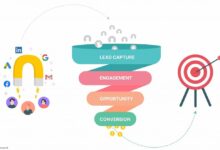
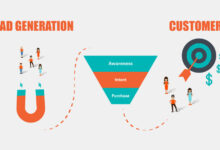

Defining Leads Online: From Interest to Intent
Not all leads are created equal. Leads online can range from someone casually browsing your blog to a user who fills out a contact form. The key differentiator is intent. A visitor who downloads an eBook or signs up for a free trial demonstrates higher intent than someone who merely clicks on a social media post.
- Marketing Qualified Leads (MQLs): Show interest but may not be ready to buy.
- Sales Qualified Leads (SQLs): Have expressed a clear intent to purchase.
- Product Qualified Leads (PQLs): Have used your product (e.g., free trial) and shown engagement.
According to HubSpot, businesses that prioritize lead generation see a 133% higher year-over-year growth in sales opportunities. This underscores the critical role leads online play in scaling operations.
The Evolution of Lead Generation in the Digital Age
Lead generation has evolved dramatically over the past two decades. From cold calling and print ads, we’ve moved into an era where data-driven, personalized digital strategies dominate. The shift was accelerated by the rise of search engines, social media, and marketing automation tools.
Today, over 70% of consumers research products online before making a purchase decision. This means that if your business isn’t actively generating leads online, you’re missing out on the majority of potential customers. Platforms like LinkedIn, Google Ads, and Facebook have become essential tools for capturing attention and converting interest into actionable leads.
“The best leads aren’t found—they’re nurtured through consistent, value-driven engagement.” — Neil Patel, Digital Marketing Expert
7 Powerful Strategies to Generate Leads Online
Generating leads online isn’t about luck—it’s about strategy. The most successful businesses use a combination of proven tactics tailored to their audience, industry, and goals. Below are seven powerful, data-backed strategies to help you generate high-converting leads online.
1. Optimize Your Website for Lead Capture
Your website is your digital storefront and the primary hub for generating leads online. If it’s not optimized for conversions, you’re losing potential customers every day. Start by ensuring your site is fast, mobile-friendly, and easy to navigate.
Key elements to focus on include:
- Clear, compelling calls-to-action (CTAs) above the fold.
- Lead capture forms with minimal fields (name, email, and maybe phone number).
- Live chat support to engage visitors in real time.
For example, adding a simple pop-up form offering a free guide can increase conversions by up to 1,000%, according to OptinMonster. Tools like Optimizely allow you to A/B test different designs and CTAs to find what works best for your audience.
2. Leverage Content Marketing to Attract Qualified Leads
Content is still king when it comes to generating leads online. High-quality, informative content positions your brand as an authority and attracts visitors who are actively searching for solutions you offer.
Focus on creating content that answers common customer questions, solves pain points, and guides them through the buyer’s journey. Examples include:
- Blog posts targeting long-tail keywords (e.g., “how to generate leads online for small businesses”).
- E-books and whitepapers that require an email to download.
- Webinars that provide in-depth training and collect attendee information.
According to DemandMetric, content marketing generates three times as many leads as traditional outbound marketing—and costs 62% less. To maximize results, promote your content through SEO, email newsletters, and social media channels.
3. Use Paid Advertising to Scale Lead Generation Fast
While organic strategies take time, paid advertising offers a fast track to generating leads online. Platforms like Google Ads and Facebook Ads allow you to target specific demographics, interests, and behaviors with precision.
For instance, Google Search Ads can capture users actively searching for solutions like yours. A well-optimized campaign with compelling ad copy and a targeted landing page can yield a high return on ad spend (ROAS).
Facebook and Instagram Ads, on the other hand, excel at building awareness and retargeting visitors who didn’t convert. Use lead ads to collect information directly within the platform, reducing friction and increasing conversion rates.
Pro tip: Always A/B test your ad creatives and landing pages. Small tweaks in copy, imagery, or form length can significantly impact conversion rates. Tools like Unbounce help you create high-converting landing pages without coding.
Building High-Converting Landing Pages for Leads Online
A landing page is a standalone web page designed specifically to convert visitors into leads online. Unlike regular website pages, landing pages have a single focus: getting the visitor to take one action, such as filling out a form or downloading a resource.
Essential Elements of a High-Converting Landing Page
To maximize conversions, your landing page must be clear, persuasive, and free of distractions. Key components include:
- A strong headline that communicates value instantly.
- Supporting subheadline that expands on the offer.
- Visuals (images or videos) that demonstrate the product or benefit.
- A concise form with only essential fields.
- Trust signals like testimonials, logos of clients, or security badges.
For example, a SaaS company offering a free trial should highlight the key benefits, show a short demo video, and include a simple sign-up form. Avoid navigation menus or external links that could lead visitors away.
Best Practices for A/B Testing Landing Pages
Even small changes can have a big impact on conversion rates. A/B testing allows you to compare two versions of a landing page to see which performs better.
Common elements to test include:
- Headline variations (e.g., benefit-driven vs. feature-driven).
- Button color and text (e.g., “Get Started” vs. “Start Free Trial”).
- Form length (short vs. long).
- Placement of CTAs (top vs. bottom of page).
According to VWO, a leading A/B testing platform, businesses that consistently run A/B tests see an average conversion rate increase of 20-30%. Always test one element at a time to accurately measure impact.
“A/B testing isn’t about guessing—it’s about knowing what works.” — Peep Laja, Founder of ConversionXL
Using Email Marketing to Nurture Leads Online
Generating leads online is only half the battle. The real magic happens in nurturing those leads until they’re ready to buy. Email marketing remains one of the most effective tools for lead nurturing, with an average ROI of $42 for every $1 spent (Campaign Monitor).
Creating Automated Email Funnels
Automation allows you to deliver the right message at the right time without manual effort. When someone signs up for your newsletter or downloads a lead magnet, they enter an automated email sequence.
A typical nurture funnel might include:
- Day 1: Welcome email with the promised download and a brief introduction.
- Day 3: Share a success story or case study.
- Day 5: Offer a free consultation or demo.
- Day 7: Send a limited-time offer or discount.
Tools like Mailchimp and ActiveCampaign make it easy to set up and manage these sequences, even for non-technical users.
Personalization and Segmentation for Higher Engagement
Generic emails get ignored. Personalized, segmented emails get opened, read, and acted upon. Use data like job title, industry, or past behavior to tailor your messages.
For example, if someone downloaded a guide on “SEO for E-commerce,” follow up with content specific to e-commerce SEO, not general marketing tips. Segmentation can increase email open rates by up to 14% and click-through rates by 100%, according to Mailchimp.
Advanced tools allow dynamic content insertion—showing different content blocks based on the recipient’s profile—further boosting relevance and conversion potential.
Leveraging Social Media to Capture Leads Online
Social media isn’t just for brand awareness—it’s a powerful channel for generating leads online. With over 4.9 billion users worldwide, platforms like Facebook, LinkedIn, and Instagram offer unparalleled reach and targeting capabilities.
LinkedIn: The B2B Lead Generation Powerhouse
For B2B companies, LinkedIn is the most effective platform for generating high-quality leads online. Its professional environment and advanced targeting options make it ideal for reaching decision-makers.
Strategies include:
- Publishing thought leadership articles and company updates.
- Using LinkedIn Lead Gen Forms in sponsored content to collect leads without leaving the platform.
- Engaging in industry groups and discussions to build credibility.
According to LinkedIn, businesses using Lead Gen Forms see up to 3x higher conversion rates compared to traditional landing pages. Plus, the data is pre-filled from the user’s profile, reducing friction.
Facebook and Instagram: Visual Storytelling for B2C Leads
For B2C brands, Facebook and Instagram offer rich, visual platforms to engage users and drive leads online. Use carousel ads, video testimonials, and shoppable posts to showcase your products.
Facebook Lead Ads are particularly effective—they allow users to submit their information without leaving the app. You can follow up with automated messages via Messenger or email.
Pro tip: Retarget users who engaged with your content but didn’t convert. Custom audiences based on website visits, video views, or link clicks can significantly boost conversion rates.
“Social media doesn’t just build followers—it builds pipelines.” — Gary Vaynerchuk, Entrepreneur and Author
Measuring and Optimizing Your Leads Online Strategy
Generating leads online is not a set-it-and-forget-it process. To achieve sustainable growth, you must continuously measure performance and optimize your strategies based on data.
Key Metrics to Track for Lead Generation Success
To evaluate the effectiveness of your lead generation efforts, focus on these critical KPIs:
- Conversion Rate: Percentage of visitors who become leads.
- Cost Per Lead (CPL): How much you spend to acquire one lead.
- Lead-to-Customer Rate: Percentage of leads that convert into paying customers.
- Customer Acquisition Cost (CAC): Total cost to acquire a paying customer.
- Return on Ad Spend (ROAS): Revenue generated per dollar spent on ads.
Tools like Google Analytics, HubSpot, and Salesforce provide dashboards to track these metrics in real time. Regular reporting helps identify what’s working and where to pivot.
Using CRM and Marketing Automation to Streamline Lead Management
As your lead volume grows, managing them manually becomes impossible. Customer Relationship Management (CRM) systems like Salesforce and Zoho CRM centralize lead data, track interactions, and automate follow-ups.
Integration with marketing automation tools ensures that leads are nurtured consistently across channels. For example, when a lead downloads a whitepaper, the CRM can trigger a personalized email sequence and notify the sales team for outreach.
This seamless handoff between marketing and sales increases efficiency and improves conversion rates. Companies using CRM see a 29% increase in sales performance, according to Nucleus Research.
Avoiding Common Mistakes in Generating Leads Online
Even with the best strategies, many businesses fail to generate quality leads online due to avoidable mistakes. Recognizing these pitfalls early can save time, money, and frustration.
Targeting the Wrong Audience
One of the most common mistakes is casting too wide a net. Trying to appeal to everyone often results in appealing to no one. Instead, define your ideal customer profile (ICP) based on demographics, behavior, and pain points.
Use buyer personas to guide your messaging and targeting. For example, a SaaS tool for HR managers should speak directly to HR challenges, not generic business problems.
Ignoring Lead Nurturing
Only 2% of leads convert on the first visit, according to InsideSales. The majority need multiple touchpoints before making a decision. Failing to nurture leads means losing 80% of potential customers.
Implement a multi-channel nurturing strategy using email, retargeting ads, and personalized content. Stay top-of-mind without being pushy.
Poor Follow-Up and Sales Alignment
Marketing and sales teams often work in silos, leading to missed opportunities. A lead passed to sales without proper context or timing is likely to go cold.
Solution: Establish a Service Level Agreement (SLA) between marketing and sales. Define what constitutes a qualified lead and how quickly sales should follow up. Use shared dashboards to track progress and improve collaboration.
What are leads online?
Leads online are individuals or businesses who have shown interest in your product or service through digital channels such as websites, social media, or email campaigns. They provide contact information in exchange for value, like a free guide or trial, and are potential customers for your business.
How can I generate more leads online?
You can generate more leads online by optimizing your website for conversions, creating valuable content, using paid ads, leveraging social media, and implementing email marketing campaigns. Combining these strategies with A/B testing and analytics will improve results over time.
What is the best tool for capturing leads online?
Popular tools for capturing leads online include HubSpot, Mailchimp, Unbounce, and OptinMonster. The best tool depends on your needs—HubSpot offers an all-in-one CRM and marketing platform, while Unbounce specializes in high-converting landing pages.
How do I convert leads online into customers?
To convert leads online into customers, nurture them with personalized email sequences, provide valuable content, offer free trials or demos, and ensure timely follow-up from your sales team. Use a CRM to track interactions and move leads through the sales funnel efficiently.
Are paid ads worth it for generating leads online?
Yes, paid ads are highly effective for generating leads online, especially when targeted correctly. Platforms like Google Ads and Facebook Ads allow precise audience targeting and fast scalability. When combined with optimized landing pages, they can deliver a strong return on investment.
Generating leads online is not a one-time task but an ongoing process that requires strategy, consistency, and optimization. By understanding your audience, leveraging the right tools, and nurturing relationships, you can build a reliable pipeline of high-quality leads that drive sustainable business growth. The digital landscape is competitive, but with the right approach, your business can stand out and thrive.
Further Reading: