Ever wondered what ‘leads meaning’ really is? It’s not just about potential customers—it’s the lifeblood of sales and marketing. Let’s break it down in simple, powerful terms.
Leads Meaning: The Core Definition and Why It Matters

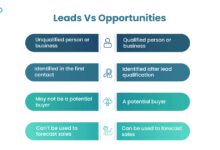
At its heart, the term leads meaning refers to individuals or organizations that have shown interest in your product or service. These are not yet customers, but they represent the first step in the sales funnel. Understanding this concept is critical for any business aiming to grow its customer base.

What Exactly Is a Lead?
A lead is anyone who has provided contact information or engaged with your brand in a way that signals interest. This could be filling out a form, downloading an ebook, subscribing to a newsletter, or even liking a social media post. The key is that they’ve taken an action that allows your business to follow up.
- A lead is not a customer—yet.
- Leads can come from various channels: websites, events, ads, referrals.
- They are categorized based on their level of engagement and readiness to buy.
“A lead is the spark before the sale. Without leads, there is no revenue.” — HubSpot
Why Understanding Leads Meaning Is Crucial for Business Growth
Knowing the true leads meaning helps businesses focus their efforts on nurturing relationships rather than just pushing sales. It shifts the mindset from transactional to relational marketing. Companies that master lead generation see higher conversion rates and better customer retention.
- Clear understanding improves targeting and messaging.
- It enables better allocation of marketing budgets.
- It supports data-driven decision-making in sales strategies.
For example, a SaaS company might offer a free trial to capture leads. By analyzing how these leads interact with the product, the company can tailor follow-ups and increase the chances of conversion. This process starts with grasping the real leads meaning.
Types of Leads: Breaking Down the Categories
Not all leads are created equal. The leads meaning evolves depending on the stage of the buyer’s journey. Recognizing the different types allows businesses to apply the right strategy at the right time.
Marketing Qualified Leads (MQLs)
These are leads that marketing teams identify as more likely to become customers based on their engagement. For instance, someone who has downloaded multiple whitepapers or attended a webinar might be tagged as an MQL.
- They’ve interacted with content but may not be ready to buy.
- Scoring models help determine MQL status.
- MQLs require nurturing before being passed to sales.
According to MarketingProfs, MQLs are essential for aligning marketing and sales teams around common goals.
Sales Qualified Leads (SQLs)
SQLs are leads that the sales team has vetted and believes are ready for direct outreach. They’ve shown buying intent—perhaps by requesting a demo or pricing information.
leads meaning – Leads meaning menjadi aspek penting yang dibahas di sini.
- They meet specific criteria like budget, authority, need, and timeline (BANT).
- They are closer to making a purchase decision.
- Conversion rates for SQLs are significantly higher than for MQLs.
“An SQL is not just interested—they’re ready to talk.” — Salesforce Blog
Product Qualified Leads (PQLs)
A relatively new category, PQLs emerge from product usage. In freemium models, users who reach certain usage thresholds (e.g., inviting team members, using key features) become PQLs.
- Common in SaaS and tech companies.
- Behavioral data drives PQL identification.
- They often convert faster because they’ve already experienced value.
Companies like Slack and Dropbox use PQLs extensively to scale their sales efforts efficiently. Learn more about PQLs at Paddle’s resource center.
How Leads Are Generated: Top Strategies That Work
Understanding the leads meaning is only half the battle. The next step is knowing how to generate them effectively. This section explores proven methods used by top-performing companies.
Content Marketing and Lead Magnets
One of the most effective ways to attract leads is by offering valuable content in exchange for contact information. This is known as a lead magnet.
- Ebooks, checklists, templates, and webinars are popular lead magnets.
- Content should solve a specific problem for the target audience.
- Landing pages with clear calls-to-action (CTAs) boost conversion rates.
For example, a financial advisor might offer a free retirement planning checklist. Visitors who download it become leads. Over time, these leads can be nurtured through email sequences. As Neil Patel explains, high-quality content builds trust and positions your brand as an authority.
Paid Advertising and Lead Forms
Paid channels like Google Ads and social media platforms allow businesses to target specific demographics and capture leads at scale.
- Facebook Lead Ads let users submit information without leaving the platform.
- Google Search Ads can drive traffic to high-converting landing pages.
- Retargeting campaigns re-engage visitors who didn’t convert initially.
The key is to align ad messaging with the landing page experience. A mismatch can lead to high bounce rates and wasted spend. Tools like Unbounce and Instapage help optimize landing pages for maximum lead capture.
Events and Webinars
Live or virtual events are excellent for generating high-intent leads. Attendees are often actively researching solutions.
- Webinars allow real-time interaction and immediate Q&A.
- Trade shows and conferences provide face-to-face engagement.
- Post-event follow-ups can accelerate the sales cycle.
According to BrightTALK, webinars generate 5x more leads than other content types. They also yield higher-quality leads due to the level of engagement required.
leads meaning – Leads meaning menjadi aspek penting yang dibahas di sini.
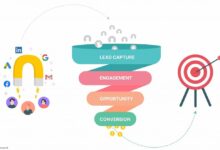
The Lead Funnel: From Awareness to Conversion
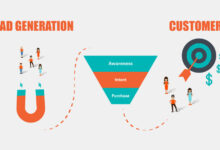
The journey of a lead is not linear, but it typically follows a funnel structure. Understanding this flow is essential to maximizing the value of the leads meaning in practice.
Top of Funnel (TOFU): Attracting Prospects
This stage is about awareness. The goal is to attract as many relevant prospects as possible through broad-reaching content and advertising.
- Blog posts, social media, SEO, and viral content dominate here.
- Leads are cold and may not know your brand.
- Focus is on education, not selling.
For instance, a plumbing company might publish a blog titled “5 Signs You Need a Water Heater Replacement.” Readers searching for this topic find the article, engage with it, and may opt-in for a free inspection—becoming a lead.
Middle of Funnel (MOFU): Nurturing Interest
Here, leads have shown interest and are being nurtured with more targeted content.
- Cases studies, comparison guides, and email drip campaigns are effective.
- The goal is to build trust and demonstrate value.
- Lead scoring helps prioritize who gets more attention.
Marketing automation tools like Mailchimp or HubSpot can send personalized emails based on user behavior. A lead who downloads a pricing guide, for example, might receive a follow-up email with a special offer.
Bottom of Funnel (BOFU): Closing the Deal
This is the decision stage. Leads are hot and ready to buy. The focus shifts to conversion.
- Demos, consultations, free trials, and discounts are common tactics.
- Sales teams take over from marketing.
- Speed of response is critical—leads at this stage expect quick answers.
“The best leads go cold in 5 minutes if you don’t respond fast.” — InsideSales
Research shows that companies that contact leads within 5 minutes are 21x more likely to qualify them. This highlights the importance of real-time lead management systems.
Lead Scoring: How to Prioritize Your Leads
Not every lead deserves the same level of attention. Lead scoring is a method of ranking leads based on their perceived value. This ties directly into the practical application of leads meaning.
Demographic and Firmographic Scoring
This involves assigning points based on who the lead is—job title, company size, industry, location, etc.
leads meaning – Leads meaning menjadi aspek penting yang dibahas di sini.
- A CTO at a tech startup might score higher than a student.
- B2B companies often use firmographic data heavily.
- CRMs like Salesforce and Zoho allow custom scoring rules.
For example, a cloud security company might give higher scores to leads from financial institutions due to regulatory needs and larger budgets.
Behavioral Scoring
This looks at what the lead does—website visits, email opens, content downloads, etc.
- Visiting the pricing page multiple times = high intent.
- Attending a webinar = strong engagement.
- Inactivity for 30 days = score decreases.
Behavioral data is often more predictive than demographic data. A lead who watches a product demo video is more likely to convert than one who only read a blog post.
Implementing a Lead Scoring Model
Creating an effective model requires collaboration between marketing and sales teams.
- Define criteria together—what makes a lead sales-ready?
- Start simple and refine over time using conversion data.
- Use automation to update scores in real time.
Tools like HubSpot and Marketo offer built-in lead scoring features. According to Marketo, companies using lead scoring see a 77% increase in lead conversion rates.
Lead Nurturing: Turning Interest Into Sales
Most leads aren’t ready to buy immediately. Lead nurturing is the process of building relationships over time, which deepens the understanding of leads meaning beyond just acquisition.
Email Drip Campaigns
Automated email sequences deliver relevant content based on lead behavior or timeline.
- A 5-part course on digital marketing for new subscribers.
- Follow-ups after a free trial ends.
- Re-engagement emails for inactive leads.
These campaigns keep your brand top-of-mind and guide leads toward a purchase decision. Mailchimp reports that drip emails generate 18x more revenue than broadcast emails.
Personalization and Segmentation
Generic messages don’t convert. Personalization increases relevance and trust.
leads meaning – Leads meaning menjadi aspek penting yang dibahas di sini.
- Use the lead’s name, company, and past behavior.
- Segment leads by industry, interest, or stage in the funnel.
- Dynamic content adapts based on user profile.
For example, a fitness brand might send different content to leads interested in weight loss vs. muscle building. This level of customization improves engagement and conversion.
Social Media Engagement
Platforms like LinkedIn and Twitter offer opportunities to nurture leads through direct interaction.
- Commenting on a lead’s post builds rapport.
- Sharing valuable insights positions you as a thought leader.
- Private messages can initiate deeper conversations.
Social selling is now a key part of lead nurturing. LinkedIn reports that 80% of B2B leads come from its platform.
Measuring Lead Quality and ROI
Generating leads is one thing; generating good leads is another. Measuring lead quality ensures your efforts translate into real business results, reinforcing the true leads meaning.
Conversion Rates by Lead Source
Not all channels deliver the same quality. Tracking where leads come from helps optimize spending.
- Organic search leads often have higher conversion rates.
- Paid ads generate volume but may have lower intent.
- Referrals tend to convert fastest and stay longer.
Use UTM parameters and CRM tracking to attribute leads accurately. Google Analytics 4 integrates well with CRM systems for this purpose.
Cost Per Lead (CPL) and Customer Acquisition Cost (CAC)
These metrics tell you how much you’re spending to acquire each lead and customer.
- CPL = Total marketing spend / Number of leads.
- CAC includes both marketing and sales costs.
- Compare CPL across channels to identify inefficiencies.
A high CPL isn’t always bad—if those leads convert at a high rate. The key is balancing cost with quality.
Lead-to-Customer Rate
This is the percentage of leads that become paying customers.
leads meaning – Leads meaning menjadi aspek penting yang dibahas di sini.
- Industry averages vary: SaaS might see 5-10%, while e-commerce can be higher.
- A low rate may indicate poor lead quality or weak follow-up.
- Improving this rate directly impacts revenue.
Regularly reviewing this metric helps refine lead generation and nurturing strategies. As Campaign Monitor notes, even a 1% improvement in conversion can significantly boost profits.
What is the basic leads meaning?
The basic leads meaning refers to individuals or organizations that have shown interest in a product or service and provided contact information, making them potential customers. They are the starting point of the sales funnel.
What’s the difference between MQL and SQL?
A Marketing Qualified Lead (MQL) has engaged with marketing content and shows potential, while a Sales Qualified Lead (SQL) has been vetted by the sales team and is ready for direct outreach.
How can I generate high-quality leads?
Focus on offering valuable content (lead magnets), use targeted paid ads, host webinars, and leverage social media. Ensure your landing pages are optimized and follow up quickly.
What is lead scoring?
Lead scoring is a system that ranks leads based on their behavior and profile to determine their readiness to buy. It helps prioritize efforts and improve conversion rates.
leads meaning – Leads meaning menjadi aspek penting yang dibahas di sini.
Why is lead nurturing important?
Most leads aren’t ready to buy immediately. Nurturing builds trust, provides value over time, and guides leads toward a purchase decision, increasing overall conversion rates.
Understanding the leads meaning is more than just a definition—it’s the foundation of sustainable business growth. From identifying different types of leads to generating, scoring, and nurturing them, every step impacts your bottom line. By applying the strategies outlined—content marketing, lead scoring, email nurturing, and performance tracking—you can turn interest into revenue. The key is consistency, data-driven decisions, and a customer-centric approach. Master the art of leads, and you master the future of your business.
Further Reading: