Want to grow your business fast? Then you need one thing above all: leads. Without leads, even the best product or service will go unnoticed. In this deep dive, we’ll explore what leads really are, why they matter, and how to generate, manage, and convert them into paying customers—using proven, data-driven strategies.
What Are Leads and Why They Matter in Modern Business

At its core, a lead is any person or organization that shows interest in your product or service. This interest can come from filling out a form, subscribing to a newsletter, downloading a guide, or even calling your sales team. But not all leads are created equal—and understanding the difference is the first step to building a scalable business.


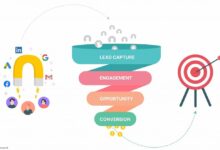
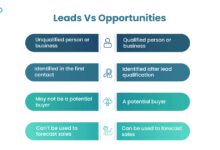

Defining Leads: From Interest to Opportunity
A lead isn’t just a name and email. It’s a potential opportunity. In marketing and sales terminology, a lead becomes valuable when it meets certain criteria—such as budget, authority, need, and timeline (commonly known as BANT). The journey from a cold lead to a hot prospect is where strategy comes into play.
- A lead starts with awareness—someone learns about your brand.
- Interest is sparked when they engage—clicking a link, watching a video, or signing up.
- Action is taken when they provide contact information or request more details.
“Leads are the lifeblood of sales. No leads, no revenue.” — HubSpot, What Is a Lead?
The Evolution of Leads in the Digital Age
Gone are the days when leads were generated solely through cold calling or trade shows. Today, digital channels dominate lead generation. Websites, social media, search engines, and email campaigns are now the primary sources of leads. According to Marketing Charts, over 60% of B2B leads come from online sources.
This shift has made lead generation more measurable, scalable, and cost-effective. But it’s also introduced new challenges—like lead quality, data privacy, and competition for attention.
Types of Leads: Understanding the Different Stages
Not every lead is ready to buy. In fact, most aren’t. That’s why marketers and sales teams categorize leads into different types based on their readiness to convert. Understanding these types helps you tailor your messaging, nurture strategy, and sales approach.
Marketing Qualified Leads (MQLs)
Marketing Qualified Leads (MQLs) are individuals who have engaged with your marketing efforts but aren’t yet ready for a sales conversation. They might have downloaded an eBook, attended a webinar, or visited your pricing page multiple times.
- MQLs are nurtured through email sequences, retargeting ads, and content marketing.
- They are scored based on behavior—like page views, time on site, and content downloads.
- The goal is to move them toward becoming Sales Qualified Leads (SQLs).
Sales Qualified Leads (SQLs)
Sales Qualified Leads (SQLs) are MQLs who have been vetted and deemed ready for direct sales outreach. They’ve shown intent to buy—perhaps by requesting a demo, asking for a quote, or speaking with a sales rep.
- SQLs have met specific criteria like budget, authority, need, and timeline.
- They are handed off from marketing to the sales team for conversion.
- Conversion rates for SQLs are significantly higher than for MQLs.
Product Qualified Leads (PQLs)
Product Qualified Leads (PQLs) are users who have experienced your product firsthand—usually through a free trial or freemium model—and shown behaviors indicating they’re ready to upgrade.
- PQLs are common in SaaS businesses (e.g., someone using a free version of a tool).
- Key indicators include feature usage, login frequency, and completion of onboarding steps.
- PQLs often convert faster because they’ve already seen the product’s value.
Top 7 Proven Strategies to Generate High-Quality Leads
Generating leads isn’t about volume—it’s about quality. A thousand unqualified leads won’t close a single deal. But ten well-targeted, high-intent leads can fuel your sales pipeline for weeks. Here are seven powerful, data-backed strategies to generate leads that convert.
Create High-Value Lead Magnets
A lead magnet is a free resource offered in exchange for contact information. The key is to make it so valuable that your audience can’t say no.
- E-books and whitepapers: Deep dives into industry problems.
- Templates and checklists: Practical tools that save time.
- Free trials and demos: Let users experience your product firsthand.
For example, Neil Patel increased his email list by 600% using a free SEO analyzer tool as a lead magnet.
Optimize Landing Pages for Conversion
Your landing page is where leads are made—or lost. A poorly designed page can kill even the best campaign. To maximize conversions:
- Use a clear, benefit-driven headline.
- Keep forms short—only ask for essential info.
- Add social proof (testimonials, logos, trust badges).
- Include a strong call-to-action (CTA) above the fold.
According to Unbounce, the average landing page conversion rate is 2.35%, but the top 25% convert at 5.31% or higher. Small tweaks can double your leads.
Leverage Content Marketing and SEO
Content is one of the most effective long-term lead generation strategies. By creating valuable, search-optimized content, you attract organic traffic that’s already interested in your niche.
- Write blog posts targeting buyer intent keywords (e.g., “best CRM for small business”).
- Use SEO tools like Ahrefs or SEMrush to find high-traffic, low-competition keywords.
- Include internal CTAs that guide readers to lead-generating offers.
A study by Backlinko found that websites with blogs generate 67% more leads than those without.
Run Targeted Paid Advertising Campaigns
Paid ads—on Google, Facebook, LinkedIn, or Instagram—can generate leads quickly, especially when targeting is precise.
- Use LinkedIn Ads for B2B leads with job title, company size, and industry targeting.
- Facebook and Instagram Ads work well for B2C with interest and behavior-based audiences.
- Google Search Ads capture high-intent users actively searching for solutions.
Pro tip: Retargeting ads can increase conversion rates by up to 150%, according to WordStream.
Host Webinars and Live Events
Webinars are a powerful way to educate, engage, and capture high-quality leads. People who attend a live session are more invested and more likely to convert.
- Promote your webinar through email, social media, and paid ads.
- Require registration to collect lead data.
- Follow up with attendees and no-shows using automated email sequences.
GoToWebinar reports that the average webinar generates 60+ leads per session, with conversion rates as high as 20-40%.
Use Social Media to Build Trust and Capture Leads
Social media isn’t just for brand awareness—it’s a lead generation powerhouse when used strategically.
- LinkedIn: Share thought leadership content and connect with decision-makers.
- Facebook Groups: Build communities around your niche and offer value.
- Instagram: Use lead ads and story CTAs to drive traffic to landing pages.
According to Hootsuite, 54% of social browsers use social media to research products, making it a prime channel for lead generation.
Implement Chatbots and Live Chat for Instant Engagement
Many website visitors leave without converting—simply because they have a quick question. Chatbots and live chat can capture these leads in real time.
- Use AI chatbots to qualify leads 24/7.
- Trigger chat messages based on user behavior (e.g., exiting the page).
- Offer instant downloads or consultations to encourage engagement.
Drift, a conversational marketing platform, found that companies using chatbots see a 300% increase in lead conversion rates.
Lead Scoring: How to Prioritize Your Leads Effectively
Not all leads deserve the same attention. Lead scoring is a system that assigns points to leads based on their behavior and profile, helping you focus on the most promising ones.
What Is Lead Scoring and How It Works
Lead scoring combines demographic and behavioral data to rank leads. For example:
- +10 points for visiting the pricing page.
- +20 points for downloading a case study.
- +30 points for attending a webinar.
- +50 points for a job title like “Marketing Director”.
Once a lead reaches a threshold (e.g., 100 points), they’re flagged as sales-ready.
Demographic vs. Behavioral Scoring
Effective lead scoring uses both types of data:
- Demographic scoring looks at firmographics (company size, industry) and personal details (job title, location).
- Behavioral scoring tracks engagement—email opens, page visits, content downloads.
The combination helps distinguish between someone casually browsing and someone actively researching a solution.
Automating Lead Scoring with CRM Tools
Manual scoring is time-consuming. Automation tools like HubSpot, Salesforce, and Marketo can track and score leads in real time.
- Integrate your website, email, and ad platforms with your CRM.
- Set up rules and triggers for scoring adjustments.
- Sync scores with your sales team for timely follow-up.
Automation ensures consistency and frees up your team to focus on closing deals.
Lead Nurturing: Turning Cold Leads into Hot Prospects
Only 25% of leads are ready to buy immediately. The rest need nurturing—consistent, value-driven communication that builds trust over time.
The Importance of Lead Nurturing
Leads who aren’t nurtured are 21% less likely to convert, according to MarketingProfs. Nurturing keeps your brand top-of-mind and guides leads through the buyer’s journey.
- Builds credibility through educational content.
- Addresses objections before the sales call.
- Shortens the sales cycle by warming up prospects.
Email Drip Campaigns for Automated Nurturing
Email drip campaigns are a series of automated messages sent based on time or behavior.
- Day 1: Welcome email + lead magnet delivery.
- Day 3: Share a customer success story.
- Day 7: Offer a free consultation or demo.
Tools like Mailchimp, ActiveCampaign, and Klaviyo make it easy to set up and track these campaigns.
Personalization and Segmentation for Higher Engagement
Generic emails get ignored. Personalized, segmented campaigns see up to 70% higher open rates.
- Segment leads by industry, behavior, or stage in the funnel.
- Use dynamic content to tailor messages (e.g., “Hi [First Name], since you downloaded our SEO guide…”).
- Send re-engagement campaigns to inactive leads.
Personalization makes leads feel understood, increasing the chances of conversion.
Measuring Lead Quality and Conversion Rates
Generating leads is only half the battle. You also need to measure how many turn into customers—and why some don’t.
Key Metrics to Track Lead Performance
To optimize your lead generation efforts, monitor these critical KPIs:
- Conversion Rate: % of leads that become customers.
- Cost Per Lead (CPL): How much you spend to acquire each lead.
- Lead-to-Customer Rate: % of leads that close.
- Time to Conversion: How long it takes a lead to become a customer.
These metrics help you identify what’s working and where to improve.
Using Analytics to Improve Lead Quality
Google Analytics, CRM reports, and marketing automation platforms provide deep insights into lead behavior.
- Identify which channels bring the highest-converting leads.
- Analyze drop-off points in your funnel.
- Test different lead magnets, CTAs, and landing pages.
Data-driven decisions lead to smarter strategies and better ROI.
Common Mistakes in Lead Measurement
Many companies track vanity metrics (like total leads) without looking at quality. Others fail to align marketing and sales on what defines a “good” lead.
- Not tracking lead source accurately.
- Ignoring lead decay (leads that go cold over time).
- Failing to close the loop with sales feedback.
Fix these issues by implementing clear definitions and regular cross-departmental reviews.
Tools and Technologies to Manage Leads Efficiently
Managing leads manually doesn’t scale. The right tools can automate collection, scoring, nurturing, and handoff to sales.
Customer Relationship Management (CRM) Systems
A CRM is the backbone of lead management. It stores lead data, tracks interactions, and helps sales teams stay organized.
- HubSpot CRM: Free, user-friendly, great for small to mid-sized businesses.
- Salesforce: Powerful, customizable, ideal for enterprise teams.
- Zoho CRM: Affordable with strong automation features.
Integrating your CRM with marketing tools ensures seamless data flow.
Marketing Automation Platforms
Automation platforms help you nurture leads at scale without manual effort.
- ActiveCampaign: Excellent for email automation and lead scoring.
- Marketo: Enterprise-grade for complex campaigns.
- Klaviyo: Best for e-commerce lead nurturing.
These tools can trigger actions based on lead behavior—like sending a follow-up email after a webinar.
Lead Capture and Form Tools
Forms are the gateway to your leads. Tools like Typeform, JotForm, and HubSpot Forms make it easy to create high-converting forms.
- Use conditional logic to show relevant fields.
- Add privacy compliance (GDPR, CCPA) checkboxes.
- Integrate with your CRM and email platform.
A well-designed form can boost conversions by 20% or more.
Common Lead Generation Mistakes (And How to Avoid Them)
Even experienced marketers make mistakes that hurt lead quality and conversion rates. Here are the most common pitfalls—and how to fix them.
Targeting the Wrong Audience
If your message doesn’t resonate with the right people, you’ll get leads—but not the right ones. Avoid this by creating detailed buyer personas and validating them with data.
- Conduct customer interviews to understand pain points.
- Use analytics to see who’s engaging with your content.
- Refine your targeting in ads and SEO.
Offering Low-Value Lead Magnets
A weak lead magnet attracts low-quality leads. Instead of “10 Tips,” offer something actionable like “The 30-Minute SEO Audit Checklist.”
- Solve a specific, urgent problem.
- Make it visually appealing and easy to use.
- Test different offers to see what converts best.
Ignoring Lead Follow-Up
50% of leads are qualified but not followed up on, according to MarketingDonut. Set up automated sequences to ensure no lead falls through the cracks.
- Respond within 5 minutes for the highest conversion (InsideSales).
- Use multi-channel follow-up (email, phone, social).
- Personalize messages based on lead behavior.
What is the difference between a lead and a prospect?
A lead is anyone who has shown interest in your product or service, such as by filling out a form. A prospect is a lead that has been qualified—meaning they fit your ideal customer profile and have a genuine need, budget, and intent to buy. All prospects are leads, but not all leads become prospects.
How can I generate more leads for my business?
To generate more leads, focus on high-value content, optimize your landing pages, use targeted ads, host webinars, and leverage social media. Combine these with strong lead magnets and automated follow-up systems to maximize results.
What is the best tool for managing leads?
The best tool depends on your needs, but popular options include HubSpot CRM (free and powerful), Salesforce (enterprise-level), and ActiveCampaign (excellent for automation). Choose one that integrates with your existing tech stack and supports your sales process.
How long does it take to convert a lead into a customer?
It varies by industry and product complexity. B2C leads may convert in days, while B2B sales cycles can take weeks or months. On average, the sales cycle lasts 2-3 months. Nurturing and timely follow-up can shorten this timeline.
Why are my leads not converting?
Low conversion rates often stem from poor lead quality, lack of follow-up, misaligned messaging, or a weak offer. Audit your lead sources, improve qualification processes, and ensure your sales team has the tools and training to close effectively.
Leads are the foundation of every successful business. From understanding the different types of leads to implementing powerful generation strategies, every step matters. By focusing on quality over quantity, using the right tools, and nurturing leads with intention, you can build a predictable, scalable pipeline. Remember: great leads don’t just happen—they’re created through strategy, consistency, and continuous optimization. Start applying these principles today, and watch your business grow.
Further Reading: