What exactly is a leads definition, and why does it matter for your business growth? Whether you’re new to marketing or scaling a sales team, understanding this core concept can transform how you generate revenue. Let’s break it down in simple, powerful terms.
Leads Definition: The Core Concept Explained

At its heart, the leads definition refers to individuals or organizations that have shown interest in your product or service but haven’t yet made a purchase. They are potential customers—people who might convert into paying clients with the right nurturing and strategy. This foundational idea drives modern marketing and sales pipelines.


What Qualifies as a Lead?
Not every website visitor becomes a lead. A lead typically provides some form of contact information—like an email address or phone number—in exchange for value, such as a free eBook, webinar access, or consultation. This act of exchanging information signals intent and interest.
- They’ve engaged with your brand (e.g., filled out a form).
- They’ve expressed interest in solving a problem your product addresses.
- They are identifiable and reachable for follow-up.
According to HubSpot, a leading CRM platform, a lead is anyone who has indicated interest in your company’s offering and is therefore eligible for further sales outreach.
Why the Leads Definition Matters in Business
Understanding the precise leads definition helps businesses segment their audience, allocate resources efficiently, and measure marketing effectiveness. Without a clear definition, teams risk chasing unqualified prospects or misjudging campaign success.
“If you don’t know what a lead is in your business, you can’t effectively grow it.” — Sales专家 (Sales Expert)
A standardized leads definition aligns marketing and sales departments, reducing friction and increasing conversion rates. It ensures everyone—from content creators to account executives—speaks the same language when discussing customer acquisition.
Types of Leads Based on the Leads Definition
Not all leads are created equal. Once you grasp the basic leads definition, the next step is understanding the different categories leads fall into. Classifying leads helps prioritize efforts and tailor communication strategies.
Marketing Qualified Leads (MQLs)
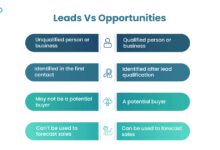
Marketing Qualified Leads are individuals who have engaged with your marketing content and meet specific criteria set by your marketing team. These might include downloading a whitepaper, attending a webinar, or visiting key product pages multiple times.
- They show behavioral interest but may not be ready to buy.
- MQLs are nurtured through email campaigns, retargeting ads, and educational content.
- The goal is to move them toward sales readiness.
As noted by MarketingProfs, MQLs are crucial for measuring the effectiveness of inbound marketing strategies.
Sales Qualified Leads (SQLs)
Sales Qualified Leads are prospects who have been vetted by the sales team and deemed ready for direct sales engagement. They’ve typically passed certain qualification thresholds, such as budget availability, decision-making authority, need, and timeline (often assessed using frameworks like BANT).
- They’ve responded positively to outreach.
- They’ve expressed intent to evaluate or purchase.
- They are handed off from marketing to sales for closing.
The transition from MQL to SQL is a critical handoff point. Poor alignment here can result in lost opportunities. Clear definitions prevent confusion and improve conversion rates.
Product Qualified Leads (PQLs)
Product Qualified Leads emerge primarily in SaaS (Software as a Service) and freemium models. These users have experienced the product firsthand—often through a free trial or limited-feature version—and demonstrated behaviors indicating readiness to upgrade.
- They’ve used core features multiple times.
- They’ve hit usage limits or accessed premium feature previews.
- They are ideal candidates for upsell or conversion campaigns.
For companies like Slack or Zoom, PQLs are among the most valuable lead types because they’ve already validated the product’s utility.
How the Leads Definition Varies Across Industries
The leads definition isn’t one-size-fits-all. Different industries interpret and apply the concept based on their sales cycles, customer acquisition models, and revenue structures. Understanding these variations is essential for crafting effective lead-generation strategies.
B2B vs. B2C Lead Definitions
In B2B (Business-to-Business) environments, a lead often involves multiple stakeholders, longer sales cycles, and higher-value transactions. A lead might be a decision-maker at a company who requested a demo of enterprise software.
- B2B leads require detailed nurturing and relationship-building.
- Lead scoring is commonly used to assess readiness.
- CRM systems like Salesforce play a central role in tracking B2B leads.
In contrast, B2C (Business-to-Consumer) leads are typically individuals making personal purchases. A lead could be someone who signed up for a discount code on an e-commerce site.
- B2C leads often convert faster.
- Volume is prioritized over deep qualification.
- Automation and mass messaging are more common.
As Salesforce explains, CRM systems help both B2B and B2C companies manage leads effectively, though the tactics differ significantly.
Real Estate and Financial Services: Specialized Leads Definitions
In real estate, a lead might be someone who inquired about a property listing or scheduled a home tour. These leads are often time-sensitive and location-specific.
- Speed of response is critical—studies show immediate follow-up increases conversion.
- Leads are frequently sourced from Zillow, Realtor.com, or open houses.
- Agents use lead management tools like Follow Up Boss or LionDesk.
In financial services, a lead could be a person seeking investment advice, mortgage pre-approval, or insurance quotes.
- Compliance and data privacy are major concerns.
- Leads must be qualified carefully due to regulatory requirements.
- Trust-building is a key component of the nurturing process.
These industries often rely on lead aggregators or paid lead services, where the definition of a “qualified” lead can vary widely based on source quality.
The Lifecycle of a Lead: From Definition to Conversion
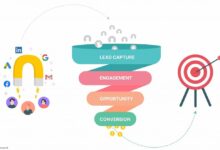
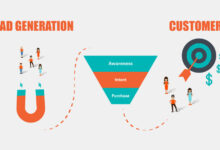
Understanding the leads definition is just the beginning. To truly leverage leads, businesses must map out the entire lifecycle—from initial awareness to final purchase. This journey, known as the lead lifecycle, outlines how prospects evolve into customers.
Stage 1: Awareness and Lead Generation
This is where the lead lifecycle begins. Prospects become aware of your brand through channels like search engines, social media, ads, or referrals. They may not know they need your product yet, but they’re entering the funnel.
- Content marketing (blogs, videos, SEO) plays a big role here.
- Lead magnets (free guides, checklists) encourage information exchange.
- Landing pages are optimized to capture contact details.
Tools like Google Analytics and Hotjar help track user behavior and optimize lead capture.
Stage 2: Lead Nurturing and Qualification
Once a lead is captured, the focus shifts to nurturing. This stage involves building trust, providing value, and assessing the lead’s readiness to buy.
- Email drip campaigns deliver personalized content.
- Behavioral tracking identifies engagement levels.
- Lead scoring models assign points based on actions (e.g., opening emails, visiting pricing page).
Nurturing can last days or months, especially in high-consideration industries. According to Content Marketing Institute, nurtured leads make 47% larger purchases than non-nurtured ones.
Stage 3: Conversion and Handoff to Sales
When a lead meets predefined criteria—such as requesting a demo or asking for a quote—they are considered sales-ready. This is the handoff point from marketing to sales.
- Sales teams use CRM systems to manage follow-ups.
- Personalized outreach increases conversion chances.
- Objections are addressed, proposals are sent, and deals are closed.
Efficient handoffs reduce drop-off rates. Companies with strong marketing-sales alignment see 36% higher customer retention and 38% higher sales win rates (source: HubSpot’s State of Marketing & Sales Alignment).
Common Mistakes in Applying the Leads Definition
Even experienced marketers and sales professionals can misapply the leads definition, leading to wasted effort and poor ROI. Recognizing these pitfalls is the first step toward avoiding them.
Mistake 1: Treating All Leads the Same
One of the most common errors is failing to segment leads. Sending the same message to a cold lead and a warm, engaged prospect reduces relevance and conversion potential.
- Solution: Implement lead scoring and segmentation.
- Use automation tools to deliver targeted content.
- Personalize communication based on behavior and demographics.
For example, a lead who downloaded a beginner’s guide should receive different follow-up content than one who requested a pricing sheet.
Mistake 2: Poor Lead Qualification Criteria
Without clear qualification standards, teams waste time on leads that will never convert. Vague definitions like “interested” or “might buy” lead to inconsistent judgments.
- Solution: Define specific criteria (e.g., budget, authority, need, timeline).
- Use frameworks like BANT (Budget, Authority, Need, Timing) or CHAMP (Challenges, Authority, Money, Prioritization).
- Train both marketing and sales teams on these standards.
As LinkedIn Sales Expert Chris Orlob points out, while BANT has evolved, the principle of structured qualification remains vital.
Mistake 3: Ignoring Lead Source Quality
Not all lead sources are equal. Buying cheap leads from third-party vendors often results in low engagement and high churn. Organic leads from SEO or referrals tend to convert better.
- Solution: Audit lead sources regularly.
- Track conversion rates by channel.
- Invest in high-quality, sustainable lead generation (e.g., content marketing, SEO).
Focus on long-term value rather than short-term volume.
Tools and Technologies That Support the Leads Definition
To effectively manage leads based on a clear leads definition, businesses rely on a suite of digital tools. These technologies automate capture, scoring, nurturing, and reporting, enabling scalable growth.
Customer Relationship Management (CRM) Systems
CRMs are the backbone of lead management. They store lead data, track interactions, and facilitate communication across teams.
- Salesforce, HubSpot CRM, and Zoho CRM are top choices.
- They enable lead assignment, activity logging, and pipeline visualization.
- Integration with email, phone, and marketing platforms enhances functionality.
According to Gartner, CRM adoption continues to grow, with sales force automation being a primary driver.
Marketing Automation Platforms
These tools help nurture leads at scale by delivering personalized content based on behavior and preferences.
- Platforms like Marketo, ActiveCampaign, and Mailchimp automate email sequences.
- They support lead scoring, segmentation, and A/B testing.
- Integration with CRMs ensures seamless data flow.
Automation reduces manual work and increases consistency in lead engagement.
Lead Generation and Capture Tools
Specialized tools help businesses attract and capture leads effectively.
- Landing page builders like Unbounce or Leadpages optimize conversion.
- Chatbots (e.g., Drift, Intercom) engage visitors in real-time.
- Lead capture forms (e.g., Typeform, JotForm) collect data seamlessly.
These tools ensure that every visitor interaction has the potential to become a qualified lead.
Future Trends Shaping the Leads Definition
The concept of a leads definition is evolving due to technological advances, changing consumer behavior, and data privacy regulations. Staying ahead of these trends ensures your lead strategy remains effective and compliant.
Trend 1: AI-Powered Lead Scoring and Prediction
Artificial Intelligence is transforming how leads are evaluated. Machine learning models analyze vast datasets to predict which leads are most likely to convert.
- AI considers historical data, engagement patterns, and external factors.
- Tools like Salesforce Einstein and HubSpot’s predictive lead scoring use AI.
- Accuracy improves over time as the system learns.
This reduces guesswork and allows sales teams to focus on high-potential prospects.
Trend 2: Privacy-First Lead Generation
With regulations like GDPR and CCPA, and the deprecation of third-party cookies, businesses must adapt their lead strategies to respect user privacy.
- Zero-party data (information willingly shared by users) is becoming more valuable.
- Transparency in data usage builds trust.
- Consent-based marketing is the new standard.
As IAB guidelines emphasize, ethical data practices are no longer optional.
Trend 3: Hyper-Personalization and Account-Based Marketing (ABM)
Modern buyers expect personalized experiences. ABM treats individual accounts as markets of one, delivering tailored content and outreach.
- Leads are viewed in the context of their organization’s needs.
- Marketing and sales collaborate on targeted campaigns.
- Success is measured by engagement and revenue, not just volume.
ABM aligns perfectly with a refined leads definition, focusing on quality over quantity.
What is the basic leads definition?
The basic leads definition is an individual or organization that has shown interest in your product or service by providing contact information, making them a potential customer eligible for further marketing or sales engagement.
What’s the difference between an MQL and an SQL?
A Marketing Qualified Lead (MQL) has engaged with marketing content and meets initial criteria but isn’t yet ready for sales. A Sales Qualified Lead (SQL) has been vetted by the sales team and is considered ready for direct outreach and conversion efforts.
How do you qualify a lead effectively?
Effective lead qualification involves using frameworks like BANT (Budget, Authority, Need, Timing) or CHAMP (Challenges, Authority, Money, Prioritization), implementing lead scoring, and ensuring alignment between marketing and sales teams on what constitutes a qualified lead.
Can a lead become unqualified?
Yes, a lead can become unqualified if their needs change, they lose budget or authority, or they stop engaging. Regular lead reviews and re-scoring help maintain list hygiene and focus efforts on active prospects.
Why is lead nurturing important?
Lead nurturing builds trust, educates prospects, and guides them through the buyer’s journey. Nurtured leads are more likely to convert and tend to have higher lifetime value compared to non-nurtured leads.
Understanding the leads definition is far more than a marketing formality—it’s the foundation of sustainable business growth. From identifying potential customers to nurturing them through a structured lifecycle, a clear and consistent definition ensures alignment across teams and maximizes conversion efficiency. As industries evolve and technology advances, the way we define, capture, and engage leads will continue to change. But one truth remains: knowing who your leads are, why they matter, and how to serve them is the key to long-term success. Whether you’re refining your CRM strategy, improving lead qualification, or embracing AI-driven insights, start with a solid grasp of the leads definition—it’s the first step toward smarter, more profitable customer acquisition.
leads definition – Leads definition menjadi aspek penting yang dibahas di sini.
Further Reading: