In today’s competitive digital landscape, mastering lead generation is the ultimate game-changer for businesses aiming to scale. It’s not just about attracting visitors—it’s about turning them into loyal customers. Let’s dive into the strategies that actually work.
What Is Lead Generation and Why It Matters

Lead generation is the backbone of any successful marketing strategy. It refers to the process of attracting and converting strangers and prospects into individuals who have expressed interest in your company’s product or service. Without a steady flow of leads, even the most innovative businesses struggle to grow.



Defining a Lead in Modern Marketing
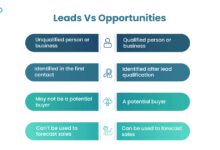
A lead is more than just a name and email address. In modern marketing, a lead is someone who has engaged with your brand—whether by downloading a guide, signing up for a webinar, or requesting a demo. The key is intent: they’ve shown interest in what you offer.
- A lead can be a website visitor who fills out a contact form.
- It could also be a social media user who clicks on a paid ad and shares their information.
- Not all leads are equal—some are sales-ready, while others need nurturing.
The Role of Lead Generation in the Sales Funnel
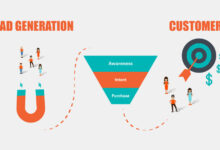
Lead generation sits at the top of the sales funnel, acting as the gateway to customer acquisition. It bridges the gap between marketing and sales by identifying potential buyers and passing them along for further engagement.
According to HubSpot, companies that excel at lead generation grow 2.5x faster than their peers. This isn’t just about volume—it’s about quality. A well-structured lead generation strategy ensures that the right people enter the funnel at the right time.
“Lead generation isn’t about chasing every visitor—it’s about attracting the right ones.” — Neil Patel, Digital Marketing Expert
7 Proven Lead Generation Strategies That Work in 2024
Not all lead generation tactics are created equal. Some rely on outdated methods, while others leverage cutting-edge tools and behavioral insights. Below are seven of the most effective strategies that deliver measurable results in today’s digital environment.
1. Content Marketing with High-Value Lead Magnets
Content is still king, but not all content generates leads. The secret lies in creating high-value lead magnets—free resources that solve a specific problem in exchange for contact information.
- E-books and whitepapers tailored to industry pain points.
- Cheat sheets, templates, and checklists that save time.
- Free tools like ROI calculators or audit templates.
For example, a SaaS company might offer a free “Website Speed Optimization Checklist” in exchange for an email address. This not only captures leads but positions the brand as an authority.
Learn more about effective lead magnets from HubSpot’s guide on lead magnets.
2. Search Engine Optimization (SEO) for Organic Lead Capture
SEO remains one of the most cost-effective lead generation channels. By optimizing your website for search engines, you attract high-intent users actively looking for solutions you provide.
- Target long-tail keywords like “best CRM for small businesses” to attract qualified traffic.
- Create pillar content and topic clusters to dominate search results.
- Optimize landing pages with clear CTAs and fast load times.
A well-optimized blog post can continue generating leads for years. For instance, a guide on “How to Choose a Project Management Tool” can rank on Google and convert readers into demo requests.
Check out Ahrefs’ SEO strategy guide for actionable tips.
3. Paid Advertising with Precision Targeting
Paid ads offer speed and scalability. Platforms like Google Ads and Facebook Ads allow you to target users based on demographics, interests, and online behavior—ensuring your message reaches the right audience.
- Use Google Search Ads to capture high-intent keywords.
- Leverage Facebook and Instagram lead ads for quick form fills.
- Retarget website visitors with personalized offers.
For B2B companies, LinkedIn Ads are particularly effective. A well-crafted ad campaign can generate hundreds of leads in weeks, not months.
Explore WordStream’s LinkedIn Ads guide for B2B lead generation insights.
4. Webinars and Live Events to Build Trust
Webinars are one of the most powerful lead generation tools because they combine education with engagement. People register to learn something valuable, and in the process, they hand over their contact details.
- Host live training sessions on industry trends or how-to topics.
- Invite guest experts to boost credibility and reach.
- Follow up with attendees using automated email sequences.
A single webinar can generate 500+ qualified leads. Companies like Zoom and HubSpot use this strategy consistently to grow their pipelines.
5. Email Marketing with Segmentation and Automation
Email remains one of the highest ROI channels for lead generation. But blasting generic messages won’t cut it. The key is segmentation and automation.
- Segment leads based on behavior, industry, or stage in the funnel.
- Use drip campaigns to nurture leads over time.
- Personalize subject lines and content to increase open rates.
For example, if a lead downloads a guide on email marketing, follow up with a series of emails on best practices, tools, and case studies. This keeps them engaged and moves them closer to a purchase.
Learn how to build effective email funnels at Mailchimp’s email marketing guide.
6. Social Media Engagement and Community Building
Social media isn’t just for brand awareness—it’s a powerful lead generation channel when used strategically. Platforms like LinkedIn, Instagram, and even TikTok can drive high-quality leads.
- Share valuable content that encourages DMs or profile visits.
- Use lead generation forms on Facebook and LinkedIn.
- Build communities (e.g., Facebook Groups) where prospects engage naturally.
A B2B company might host a LinkedIn Live session on “Future of Remote Work” and collect leads from attendees. The key is consistency and value-driven content.
7. Referral and Partner Marketing Programs
People trust recommendations from peers more than ads. Referral programs turn your existing customers into advocates, while partner marketing leverages other brands’ audiences.
- Offer incentives for customers who refer new leads.
- Co-host webinars or co-create content with complementary brands.
- Use affiliate programs to scale lead acquisition.
Dropbox famously grew its user base by offering extra storage for referrals—a simple yet brilliant lead generation tactic.
Essential Tools for Effective Lead Generation
No lead generation strategy succeeds without the right tools. From CRM systems to automation platforms, the right technology stack can streamline your efforts and boost conversion rates.
Customer Relationship Management (CRM) Systems
A CRM is the central hub for managing leads. It tracks interactions, stores contact information, and helps sales teams prioritize follow-ups.
- HubSpot CRM offers free tools for lead tracking and email automation.
- Salesforce is ideal for large enterprises with complex sales cycles.
- Zoho CRM provides affordable options for small businesses.
Integrating your CRM with marketing tools ensures seamless data flow and better lead nurturing.
Marketing Automation Platforms
Automation saves time and increases consistency. These platforms allow you to send targeted messages based on user behavior.
- ActiveCampaign excels in behavioral tracking and segmentation.
- Marketo is powerful for enterprise-level campaigns.
- Klaviyo is perfect for e-commerce lead generation.
For example, if a lead visits your pricing page twice, an automation can trigger a personalized email offering a free consultation.
Landing Page and Form Builders
Your landing page is often the first impression a prospect has. It needs to be clean, fast, and conversion-optimized.
- Unbounce and Leadpages offer drag-and-drop builders for high-converting pages.
- Typeform creates engaging, conversational forms.
- Carrd is great for simple, one-page lead capture sites.
A/B testing different headlines, CTAs, and form lengths can significantly improve conversion rates.
Measuring the Success of Your Lead Generation Campaigns
Generating leads is only half the battle. To ensure long-term success, you must measure performance and optimize based on data.
Key Performance Indicators (KPIs) for Lead Generation
Tracking the right metrics helps you understand what’s working and where to improve.
- Conversion Rate: Percentage of visitors who become leads.
- Cost Per Lead (CPL): How much you spend to acquire one lead.
- Lead-to-Customer Rate: Percentage of leads that convert into paying customers.
- Return on Ad Spend (ROAS): Revenue generated per dollar spent on ads.
For example, if your conversion rate is low, it might indicate a mismatch between your offer and audience expectations.
Using Analytics to Optimize Lead Generation
Tools like Google Analytics, Hotjar, and CRM dashboards provide insights into user behavior.
- Analyze traffic sources to double down on high-performing channels.
- Use heatmaps to see where users click or drop off.
- Track form abandonment to identify friction points.
Continuous testing and refinement are essential. Even small tweaks—like changing a button color or shortening a form—can lead to significant improvements.
Common Lead Generation Mistakes to Avoid
Even experienced marketers make mistakes that hurt their lead generation efforts. Recognizing these pitfalls can save time, money, and frustration.
Targeting the Wrong Audience
One of the biggest mistakes is casting too wide a net. If your content or ads appeal to everyone, they resonate with no one.
Solution: Develop detailed buyer personas. Understand your ideal customer’s pain points, goals, and online behavior. Use this data to tailor your messaging and targeting.
Offering Low-Value Lead Magnets
If your free guide is generic or outdated, people won’t trade their email for it.
Solution: Focus on solving a specific, urgent problem. A “30-Day Social Media Content Calendar” is more valuable than a vague “Social Media Tips” PDF.
Ignoring Lead Nurturing
Only 2% of leads convert on first contact. The rest need nurturing through consistent communication.
Solution: Implement email drip campaigns, retargeting ads, and personalized follow-ups. Build trust over time instead of pushing for an immediate sale.
The Future of Lead Generation: Trends to Watch
Lead generation is evolving rapidly. Staying ahead of trends ensures your strategies remain effective in the long term.
Artificial Intelligence and Predictive Lead Scoring
AI is transforming how we identify and prioritize leads. Predictive lead scoring uses machine learning to analyze behavior and predict which leads are most likely to convert.
- Tools like Salesforce Einstein and HubSpot’s AI features automate lead scoring.
- Chatbots use AI to qualify leads in real time.
- Personalized content recommendations increase engagement.
Companies using AI for lead scoring see up to 30% higher conversion rates.
Interactive Content for Higher Engagement
Static content is losing ground to interactive experiences. Quizzes, calculators, and assessments capture attention and generate richer data.
- A mortgage lender might offer a “How Much House Can I Afford?” calculator.
- A fitness brand could use a quiz to recommend personalized workout plans.
- Interactive content generates 2x more conversions than passive content.
Platforms like Outgrow and Interact make it easy to create these tools without coding.
Privacy-First Lead Generation
With increasing data regulations (GDPR, CCPA) and the deprecation of third-party cookies, marketers must adapt.
- Focus on first-party data collection through value exchanges.
- Be transparent about data usage in privacy policies.
- Build trust by delivering real value before asking for information.
The future belongs to brands that respect user privacy while still delivering personalized experiences.
Integrating Lead Generation Across Marketing Channels
Successful lead generation doesn’t happen in silos. It requires a cohesive strategy that integrates multiple channels for maximum impact.
Aligning Sales and Marketing Teams
One of the biggest barriers to effective lead generation is misalignment between sales and marketing.
- Define a shared definition of a “qualified lead.”
- Hold regular sync meetings to review lead quality and feedback.
- Use Service Level Agreements (SLAs) to set expectations.
Companies with aligned sales and marketing teams achieve 36% higher customer retention and 38% higher sales win rates.
Creating a Unified Customer Journey
Prospects interact with your brand across multiple touchpoints. Your lead generation strategy should guide them seamlessly from awareness to decision.
- Start with SEO and social media to attract attention.
- Use email and retargeting to nurture interest.
- Close with personalized demos or offers.
Mapping the customer journey helps identify gaps and opportunities for optimization.
Leveraging Omnichannel Campaigns
Instead of relying on a single channel, use a mix of email, social, paid ads, and content to reinforce your message.
- Run a LinkedIn ad campaign to promote a webinar.
- Follow up with registrants via email.
- Share highlights on social media post-event.
Omnichannel strategies generate 91% higher year-over-year customer retention rates.
What is lead generation?
Lead generation is the process of attracting and converting individuals who are interested in your product or service into potential customers by collecting their contact information for further nurturing and sales follow-up.
What are the best lead generation strategies in 2024?
The most effective lead generation strategies in 2024 include content marketing with lead magnets, SEO, paid advertising, webinars, email automation, social media engagement, and referral programs—all supported by data-driven tools and AI.
How do you generate high-quality leads?
To generate high-quality leads, focus on targeting the right audience, offering valuable content, using lead scoring, nurturing prospects with personalized communication, and aligning sales and marketing efforts.
What tools are essential for lead generation?
Essential tools include CRM systems (HubSpot, Salesforce), marketing automation platforms (ActiveCampaign, Marketo), landing page builders (Unbounce, Leadpages), and analytics tools (Google Analytics, Hotjar).
How do you measure lead generation success?
Measure success using KPIs like conversion rate, cost per lead, lead-to-customer rate, and return on ad spend. Use analytics to track performance and optimize campaigns continuously.
Lead generation is not a one-time tactic but a continuous process that fuels business growth. From creating valuable content to leveraging AI and aligning teams, the strategies outlined here provide a comprehensive roadmap for success. The key is consistency, measurement, and adaptation. By focusing on quality over quantity and delivering real value, you can build a sustainable pipeline that drives long-term revenue and customer loyalty.
Further Reading: